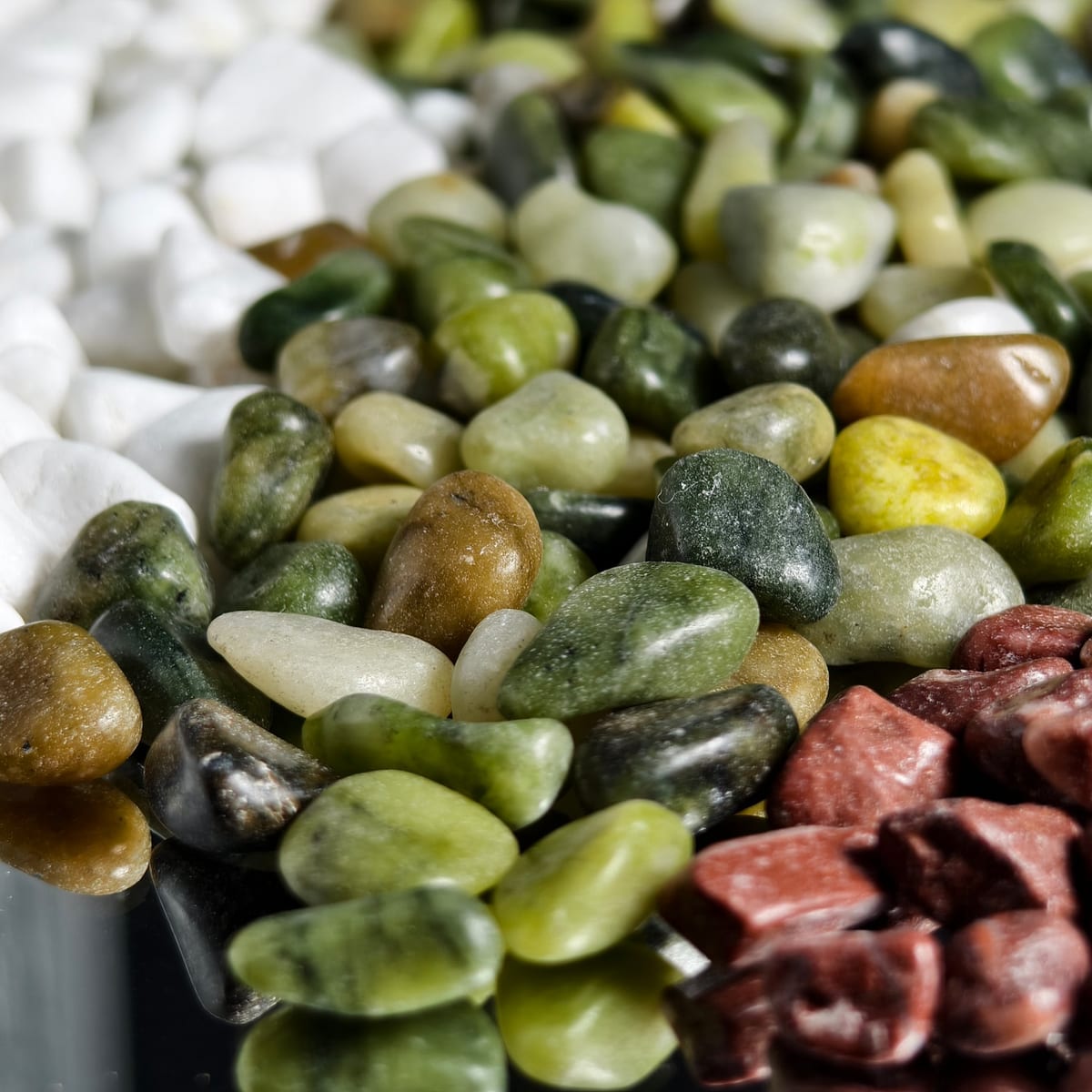
Garden Pebbles
Garden pebbles are smooth natural stones used for ground cover, garden borders, pathways and decorative landscaping in residential…
View Garden Pebbles →The category spans the full color range: white pebbles for Japanese and modern gardens, black pebbles for contrast and contemporary design, natural pebbles for water-themed and naturalistic landscapes, and mixed or decorative pebbles for economical large-area coverage.
Garden pebbles are smooth natural stones used for ground cover, garden borders, pathways and decorative landscaping in residential…
View Garden Pebbles →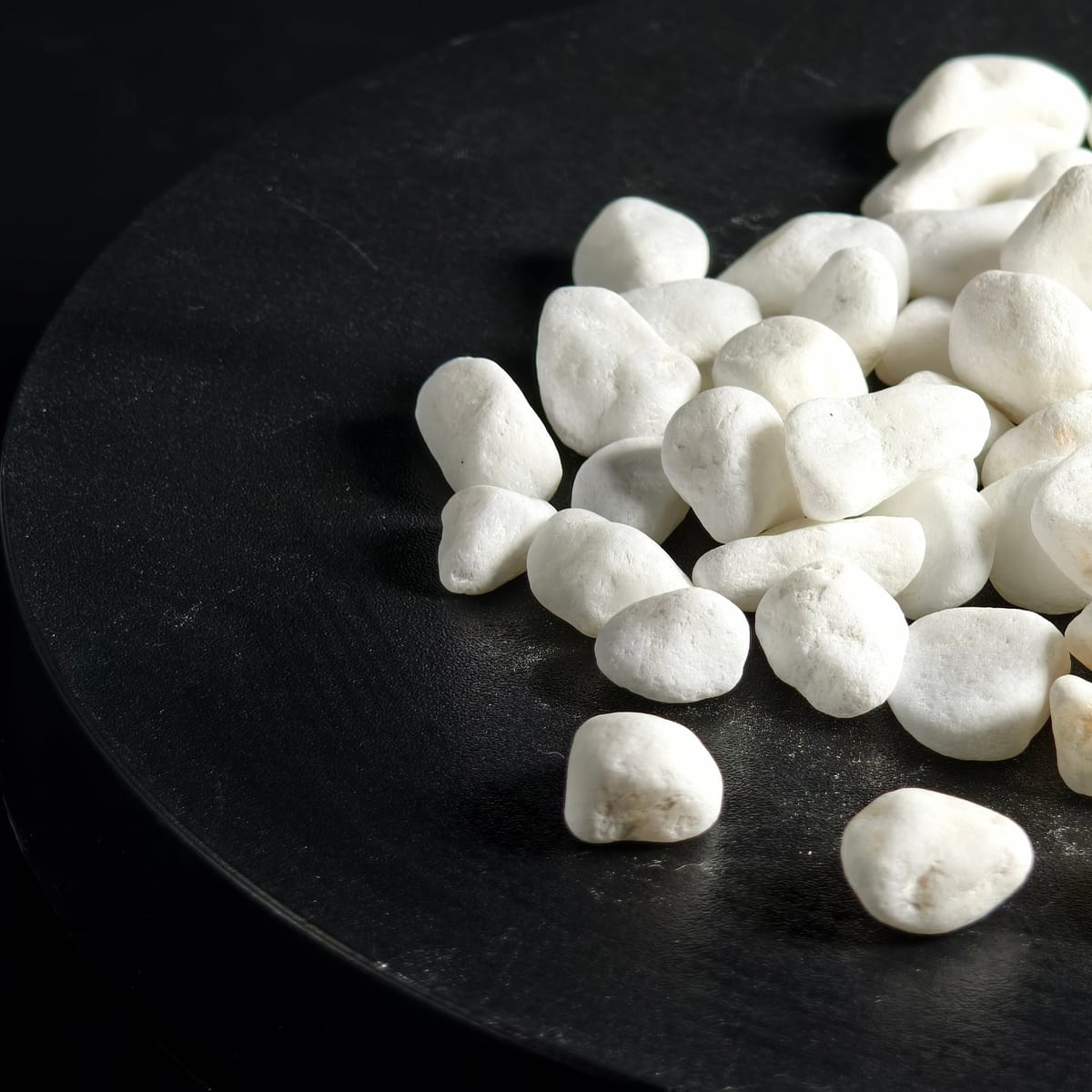
White pebbles are bright, smooth landscaping stones used in Japanese and Zen gardens, modern garden designs, flower beds and premi…
View White Pebbles →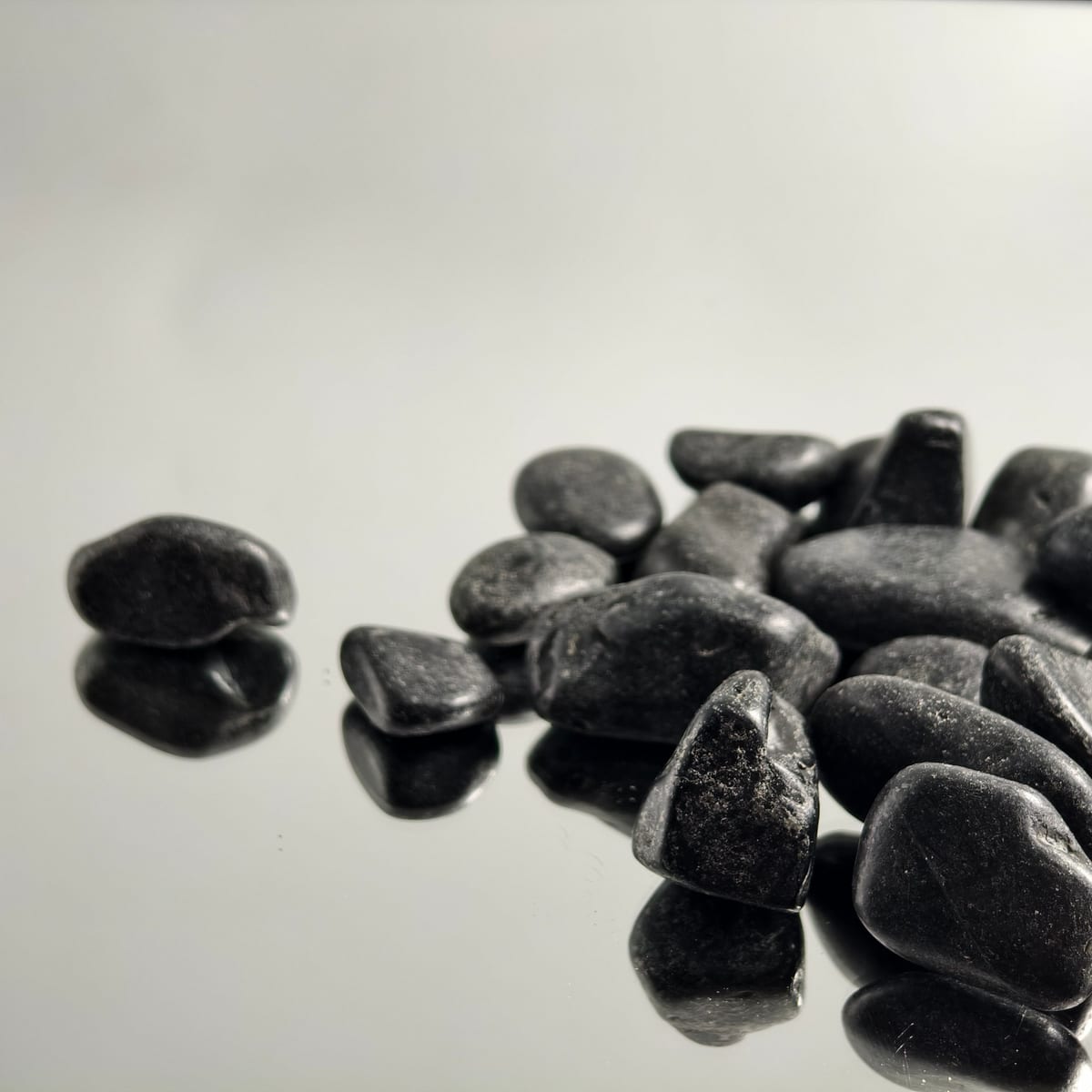
Black pebbles are dark-toned decorative stones used to create contrast in modern, minimalist and architectural landscaping designs…
View Black Pebbles →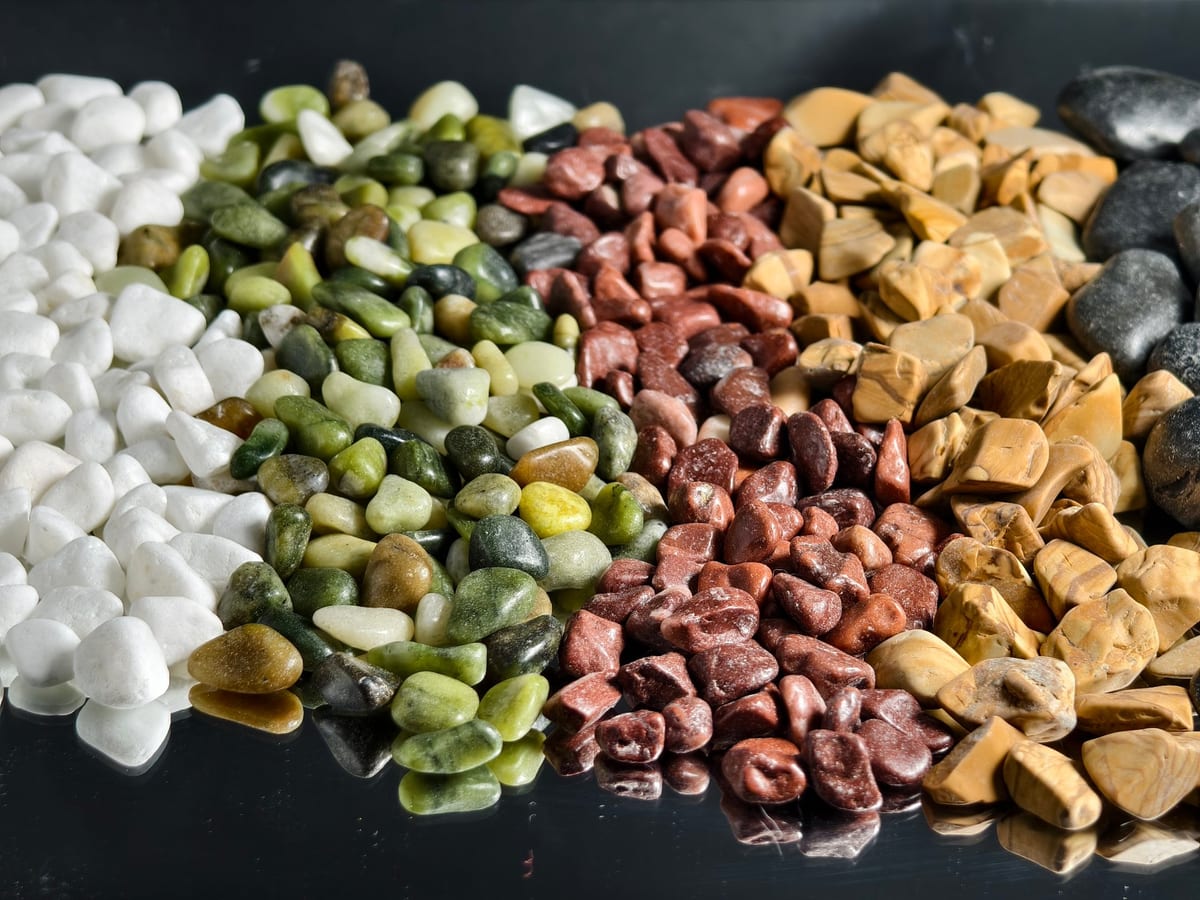
Mixed color pebbles combine naturally varied stone tones in one graded product, offering a lively, natural look at a typically low…
View Mixed Color Pebbles →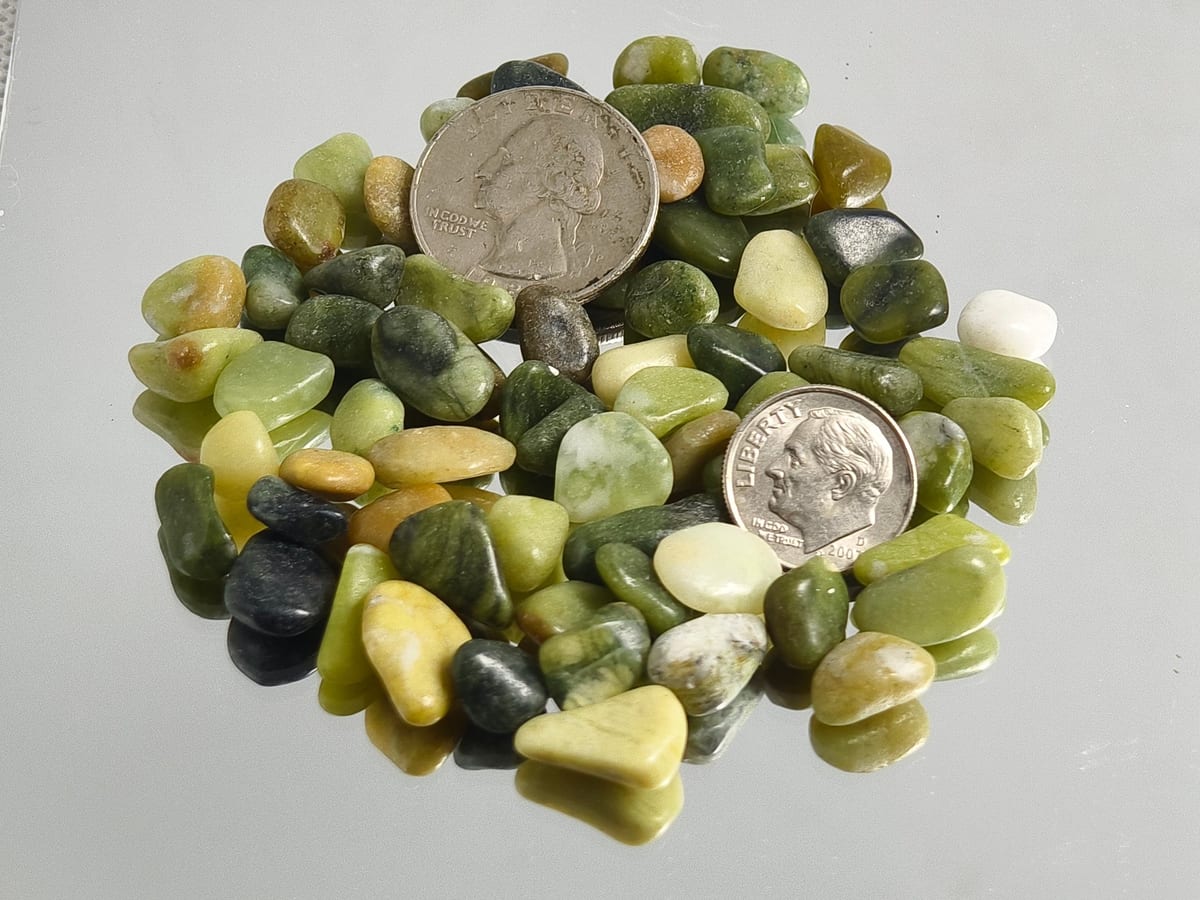
Natural pebbles are untreated, unwaxed stones supplied in their original surface condition, chosen by buyers who want authentic na…
View Natural Pebbles →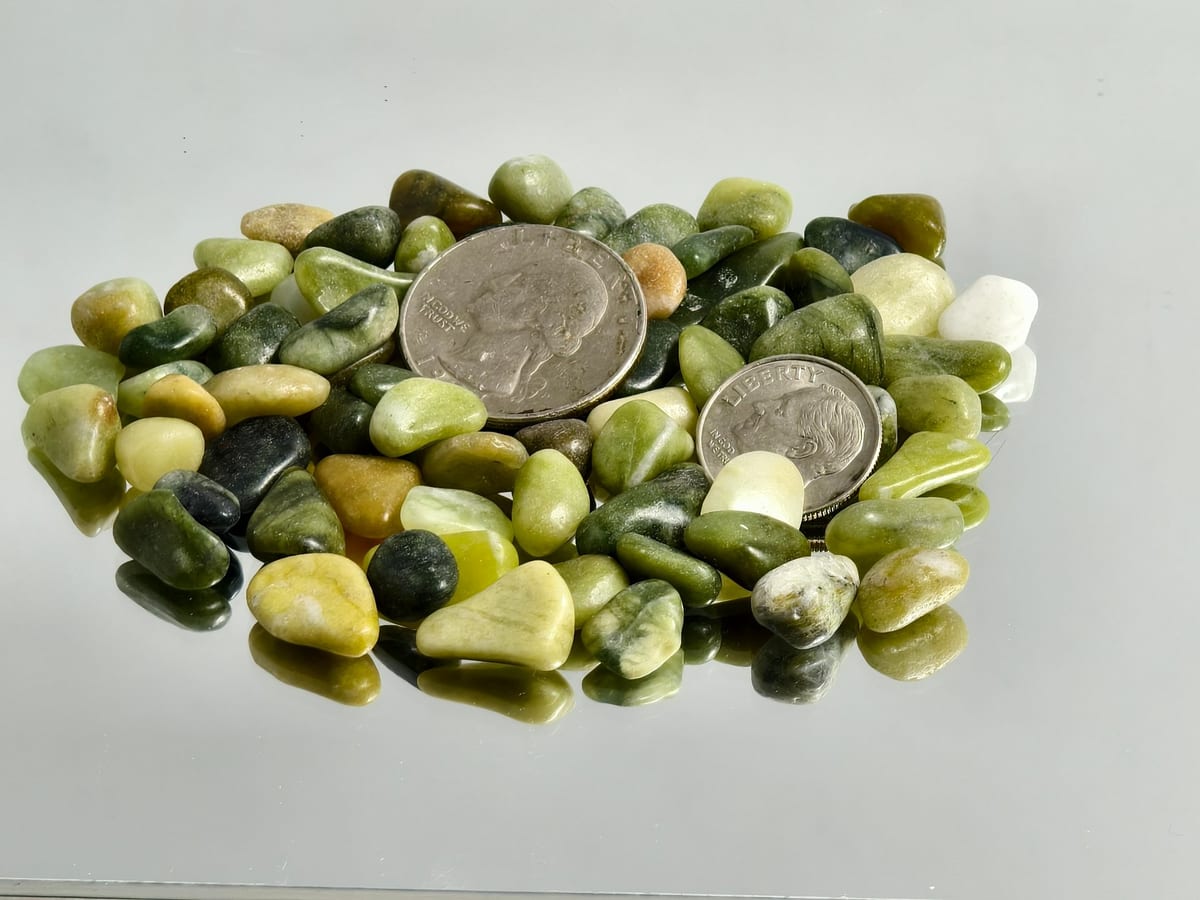
Polished pebbles are machine-polished decorative stones with a glossy finish, mainly used indoors and in premium decorative applic…
View Polished Pebbles →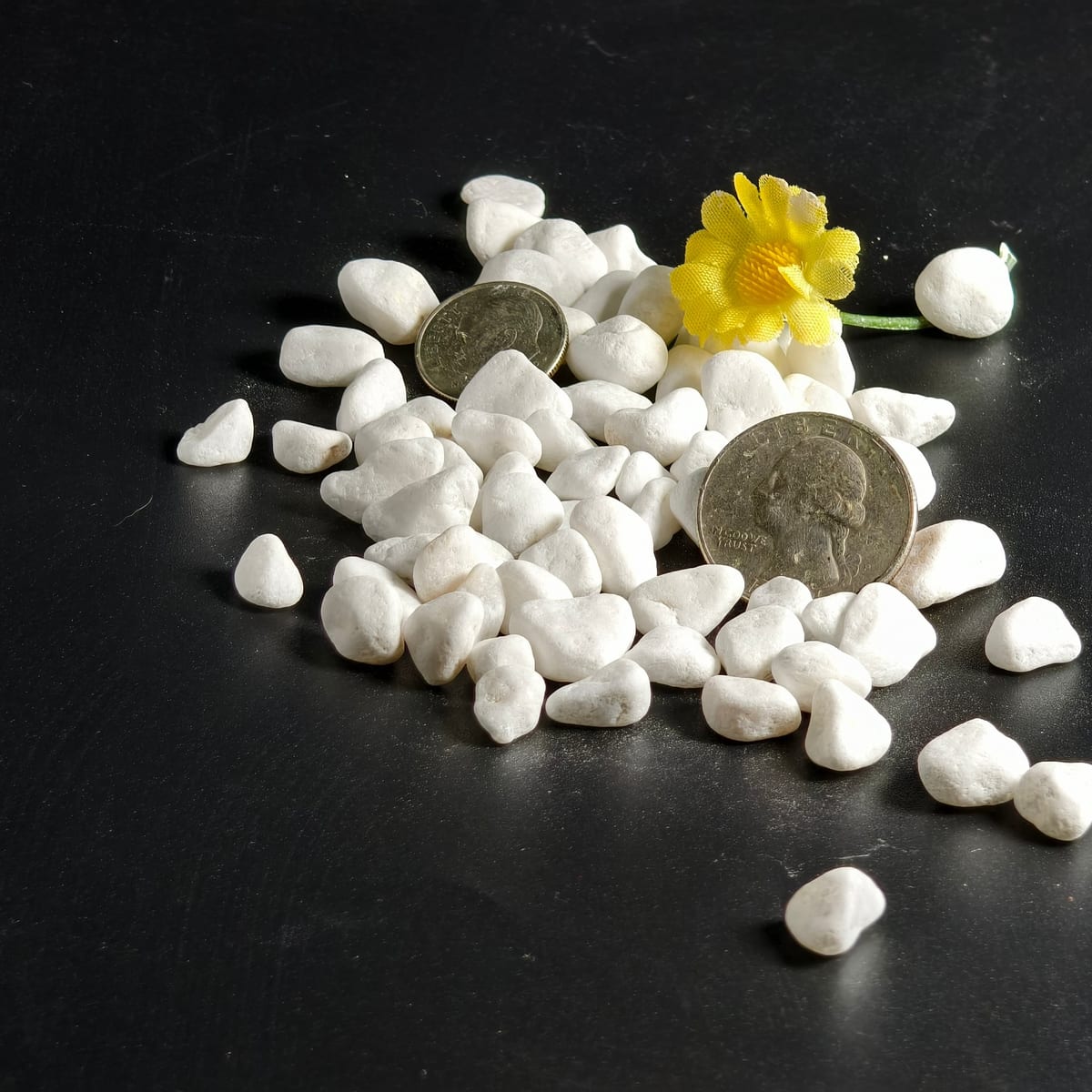
Decorative pebbles is the umbrella trade term for washed and graded pebbles selected for visual appeal — covering the color, size …
View Decorative Pebbles →For premium bright designs, start with white pebbles; for contrast and modern schemes, combine black with white; for naturalistic gardens and water features, use natural pebbles; where budget drives large areas, mixed color pebbles offer the best value.
Surface choice also matters: natural (matte) surface suits permanent outdoor use, while polished finishes are mainly for indoor and accent applications.
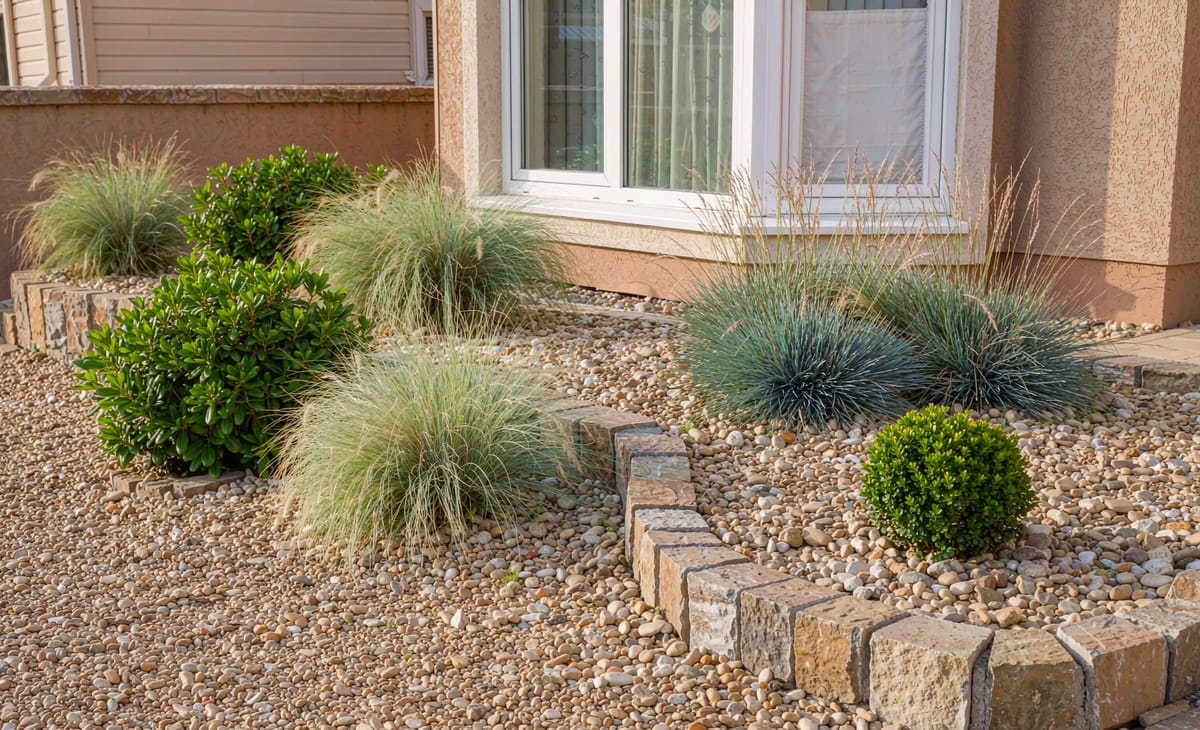
Garden landscaping brings together every stone category: ground cover for beds and borders, gravel for paths, landscape stone for …
Explore Garden Landscaping →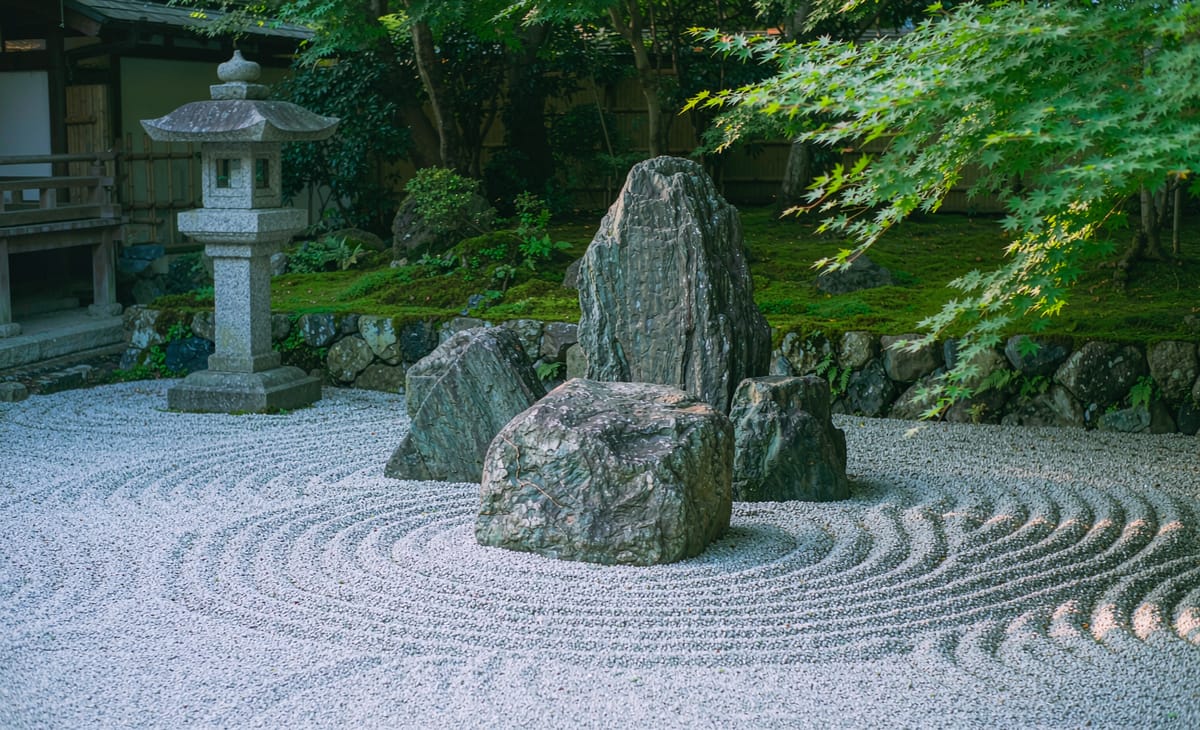
Japanese garden design uses stone as its structural vocabulary: larger stones placed as islands and mountains, pebbles as water, r…
Explore Japanese Garden →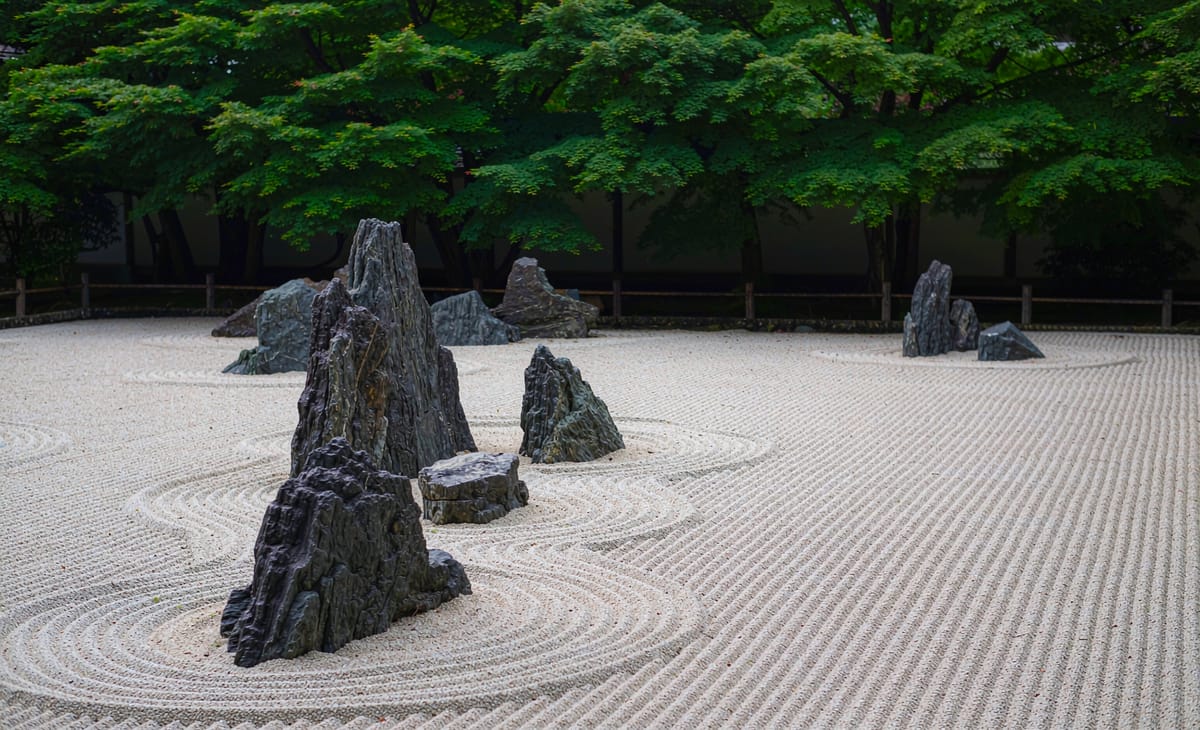
Zen gardens reduce the landscape to three materials: raked sand or fine gravel for water and openness, selected stones for islands…
Explore Zen Garden →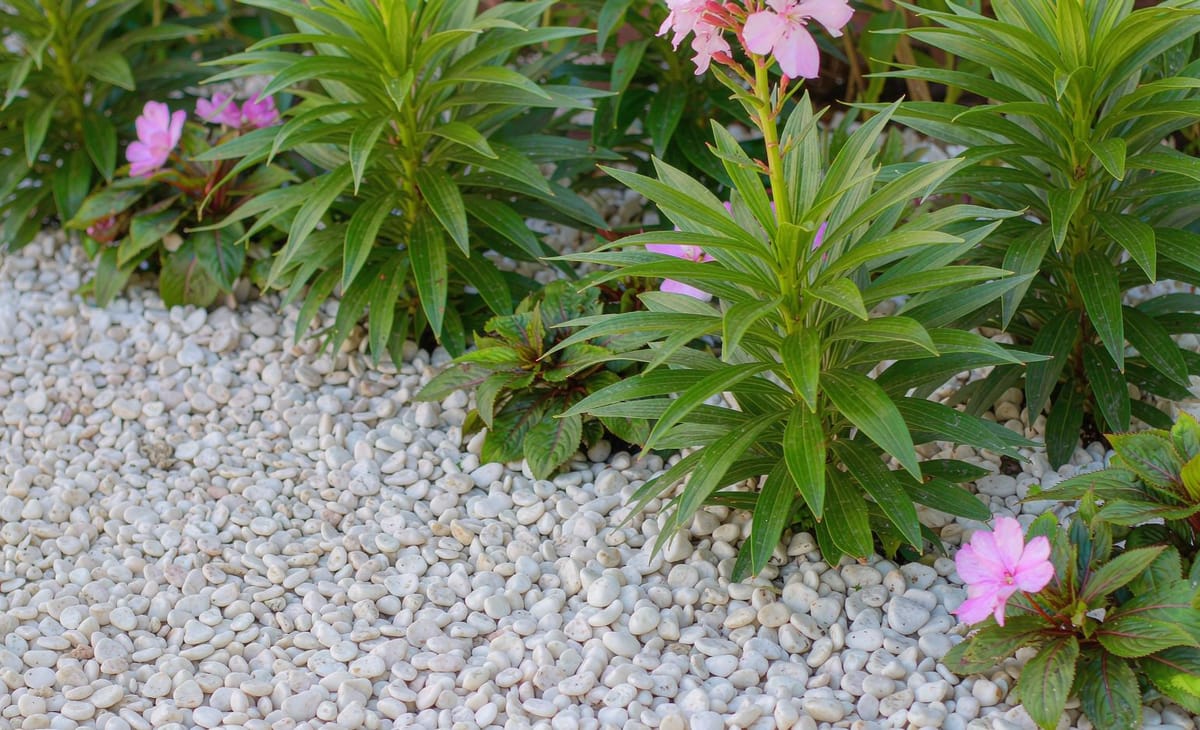
Stone-topped flower beds replace mulch with a permanent surface: stones suppress weeds when laid over membrane, do not decompose, …
Explore Flower Beds →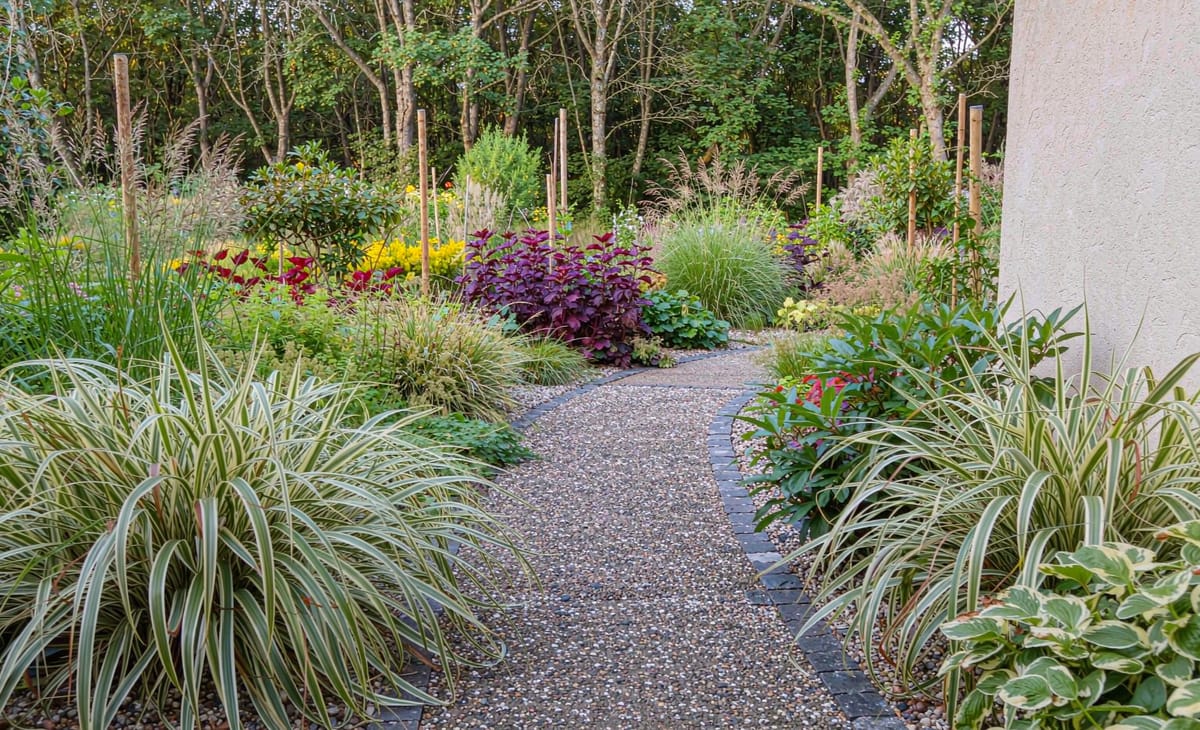
Pathways combine the functional and decorative sides of landscaping stone: the surface must stay stable underfoot while contributi…
Explore Garden Pathways →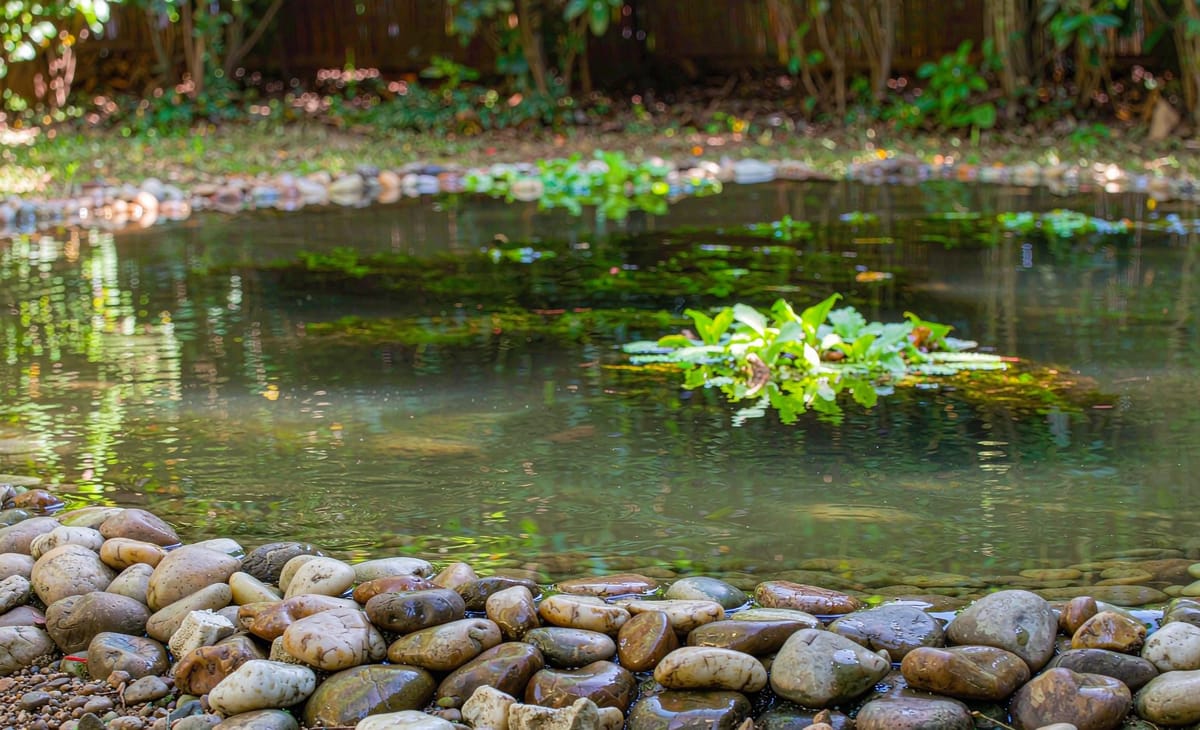
Water features are the most natural fit for river materials: water-worn pebbles and rocks around ponds, streams and waterfalls ech…
Explore Water Features →| Appearance | White pebbles are rounded with a smooth, premium look; white gravel is angular with a brighter, more utilitarian finish. |
|---|---|
| Typical applications | Pebbles: borders, accent areas, Japanese-style gardens. Gravel: large-area ground cover, paths, driveways. |
| Size | Both are supplied in graded ranges; exact sizes to be confirmed on the current grading chart. |
| Surface | Pebbles are naturally smooth; gravel has rough crushed faces. |
Full comparison on the White Pebbles product page.
| Appearance | Natural pebbles show the stone's own tones — greens, greys and earth colours. Mixed color pebbles are sorted across a wider colour spread for a livelier surface. |
|---|---|
| Typical applications | Natural: garden beds, borders and water edges where a restrained palette is wanted. Mixed colour: decorative beds, planters and feature areas where colour is the design element. |
| Size | Both are supplied in graded ranges; confirm exact size classes on the current grading chart. |
| Surface | Both are tumbled with a matte natural finish — the difference is colour sorting, not surface treatment. |
Full comparison on the Natural Pebbles product page.
| Appearance | Natural pebbles are matte with the stone's original surface; polished pebbles are machine-glossed with vivid color. |
|---|---|
| Typical applications | Natural: permanent outdoor ground cover and landscaping. Polished: indoor decoration, planters, vases, retail craft. |
| Size | Both available in graded ranges; confirm with the supplier's chart. |
| Surface | Matte vs glossy — the defining difference of the comparison. |
Full comparison on the Natural Pebbles product page.
| Appearance | Pebbles are rounded and smooth; gravel is angular with crushed faces. |
|---|---|
| Typical applications | Pebbles: decorative beds, borders, water edges. Gravel: paths, driveways, drainage, large economical areas. |
| Size | Both graded; confirm ranges on the current charts. |
| Surface | Smooth vs rough — affects both look and stability underfoot. |
Full comparison on the Garden Pebbles product page.
It depends on design intent: white for brightness and Japanese-style gardens, black for modern contrast, river tones for natural looks, mixed for economical coverage. See the individual product pages for details.
Pebbles give a smoother decorative look; gravel is angular, usually cheaper and more stable on paths and slopes. Many projects use both.
Yes, combined orders are standard. Confirm the mix, grading and packing with the supplier when requesting a quote.
Use the stone quantity calculator to estimate volume by area and depth, then confirm with your supplier before ordering.
Send your product, specification and destination — our sales team will prepare a quotation.